
Neck Cracking 101: Pop, Crack, Relief
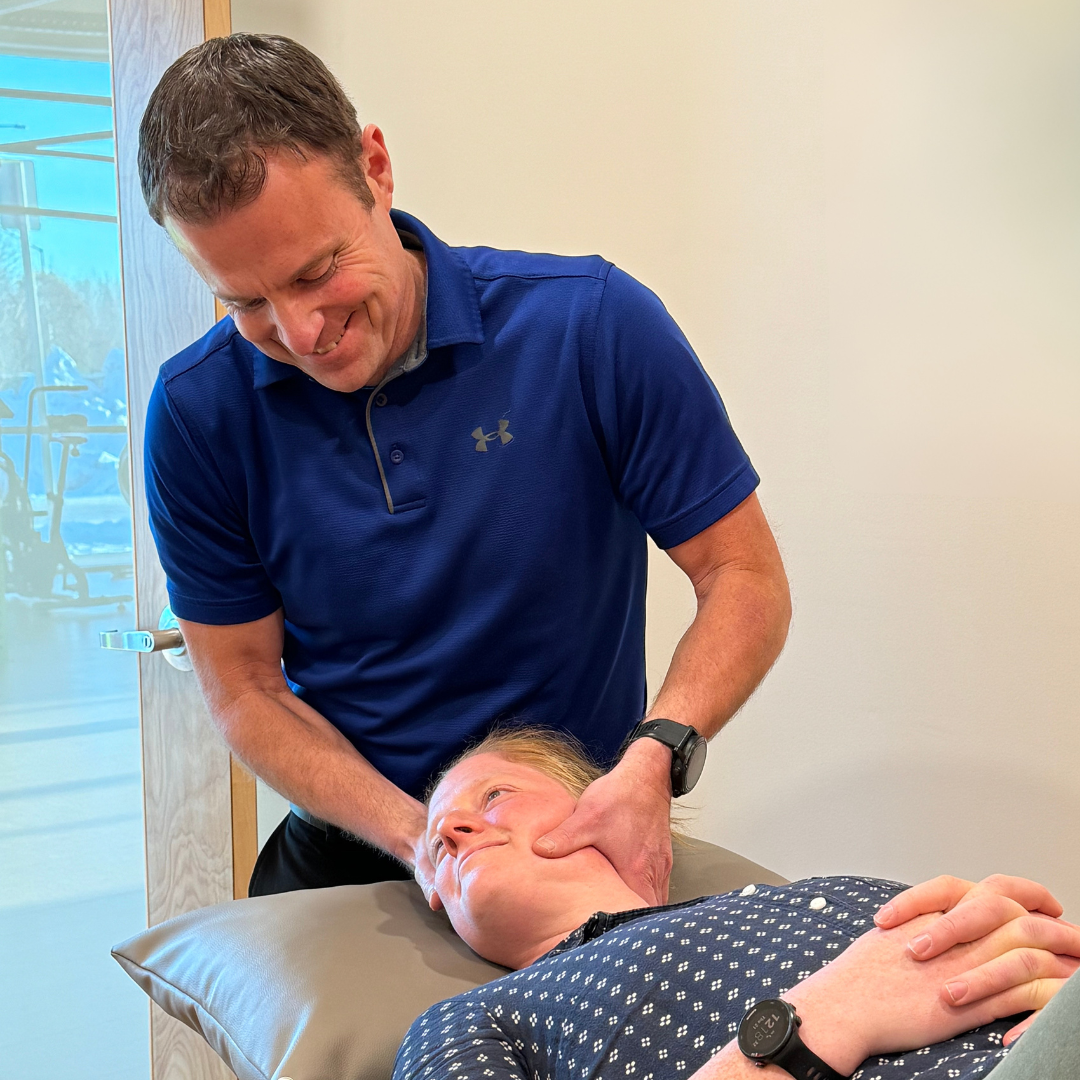
Cervical Manipulation: What is it?
Cervical manipulation—often known as a “neck adjustment”—is a hands-on technique used by trained physical therapists to help reduce neck pain and restore motion in the cervical spine. When performed appropriately and on the right patient, it can be an effective tool within a broader treatment plan. The goal of cervical manipulation is to quickly improve mobility in stiff joints of the neck, reduce muscle guarding, and help calm irritated nerves. This creates a short window of decreased pain and improved range of motion, allowing your therapist to immediately follow with targeted strengthening, mobility exercises, and motor control training. In other words, manipulation isn’t the treatment—it’s a tool that helps make the rest of your rehab more effective.
Think of it like opening a stuck door: manipulation helps “unstick” the joint, giving the therapist a moment to safely load and strengthen the cervical spine in conditions where motion feels easier and more comfortable. This approach not only reduces pain but also supports long-term improvements in neck stability and function. When integrated into a comprehensive rehab program, cervical manipulation can help patients move more freely, build confidence in their neck movement, and return to daily activities with less discomfort. As always, this technique is applied based on clinical evaluation, patient preference, and safety considerations—because effective physical therapy is personalized, evidence-guided, and always centered on you.
Cervical manipulation (a quick, precise thrust to a restricted neck segment) is one tool physical therapists use to reduce pain and improve motion—so patients can move and strengthen right away. It’s rarely a stand-alone fix; rather, it creates a short window of decreased pain and improved range that we immediately leverage with exercise and motor-control work.
Ready to start your journey to neck pain relief? Make an appointment with us today
this blog post was written by Carlos Glines, PT, DPT